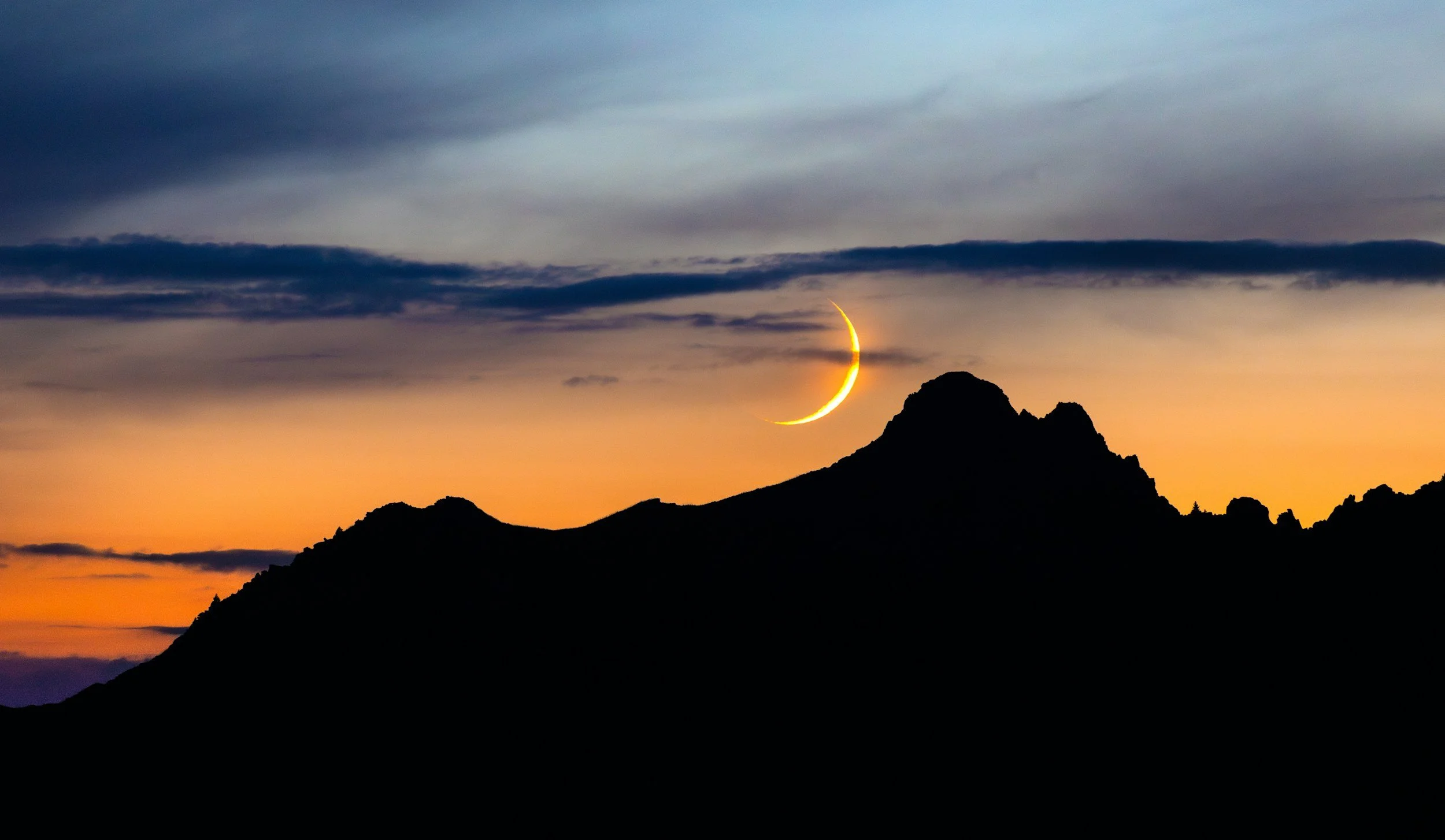
As the winter solstice approaches, Ayurveda invites us to slow down, reflect on the year, and plant seeds for what’s next, even amid the holiday rush.
As we begin the winter months, I can’t help but think about the closing of a season. It sounds almost silly to say, because our culture has taught us to think in terms of dates. This time of year, it also tells us to speed up: more gatherings, more plans, more to finish before the calendar turns. Ayurveda teaches us to move with life according to the seasons, and the season is asking for something very different. Seen this way, as we approach the winter solstice, we are actually at the end of the afternoon of the year. The evening, if you will. The winter solstice marks the sunset of one year and the sunrise of the next.
When the Sun Stands Still
The solstice is a response to the movement and position of the sun. On the shortest day of the year, the sun reaches its most southern point. The south carries closing energy: it is the sunset, the ending, and also the turning point toward a new beginning. The word solstice means “sun stands still,” and that is exactly what happens. The sun pauses before it begins moving north again, bringing more warmth, more light and more energy. Even the sun takes a moment to be still before it begins again.
If the solstice is the closing of the year, it feels important to reflect on which chapters are ending and which are beginning. They are intertwined, woven together. One does not exist without the other. From every ending there is a new sunrise. But a chapter can’t close well if we rush past it. When we spend the end of the year in a blur of to-do lists, we can miss the closing altogether.
The Afternoon and Morning of the Year
In Ayurveda, the afternoon of the year is called Dakṣiṇāyana, the sun’s southward journey from the summer solstice to the winter solstice. It is a slow, gradual progression toward less light, less heat and completion. Nature is drawing inward and conserving energy, and our bodies feel that pull too, even when our calendars don’t. The morning of the year, Uttarāyaṇa, carries us from the winter solstice back to the summer solstice, bringing new energy, new beginnings and increased vitality. We can feel this as the days grow longer and the sun grows stronger. The seeds planted in winter rest quietly in the dark before they surface in spring, reaching toward warmth and sunlight and gaining momentum as they grow toward their highest potential. That rest is part of the growing.
Slowing Down at the Sunset of the Year
So as we approach the winter solstice, I am choosing to slow down and reflect on the past year: which chapters I am ready to close, and which seeds I want to plant for the year ahead. This isn’t a goal-oriented reflection. It is an honoring of past experiences and a cultivation toward new beginnings. Planting the seeds and being curious about what grows next. If you’d like some support finding your own balance this season, I talk more about it on the Ayurveda For Women’s Health Podcast, Ep 37. Eat, Drink & Stay Balanced: An Ayurvedic Guide To The Holidays.
What chapter are you ready to close this season, and what seed would you like to plant for the year ahead?
A little Sanskrit & Latin for the season
Dakṣiṇāyana: the afternoon of the year. The sun moves south, from the summer solstice to the winter solstice.
Uttarāyaṇa: the morning of the year. The sun moves north, from the winter solstice to the summer solstice.
Solstice: “sun stands still”
Equinox: “equal night”
