Ayurveda’s Hot Take🔥On Saunas
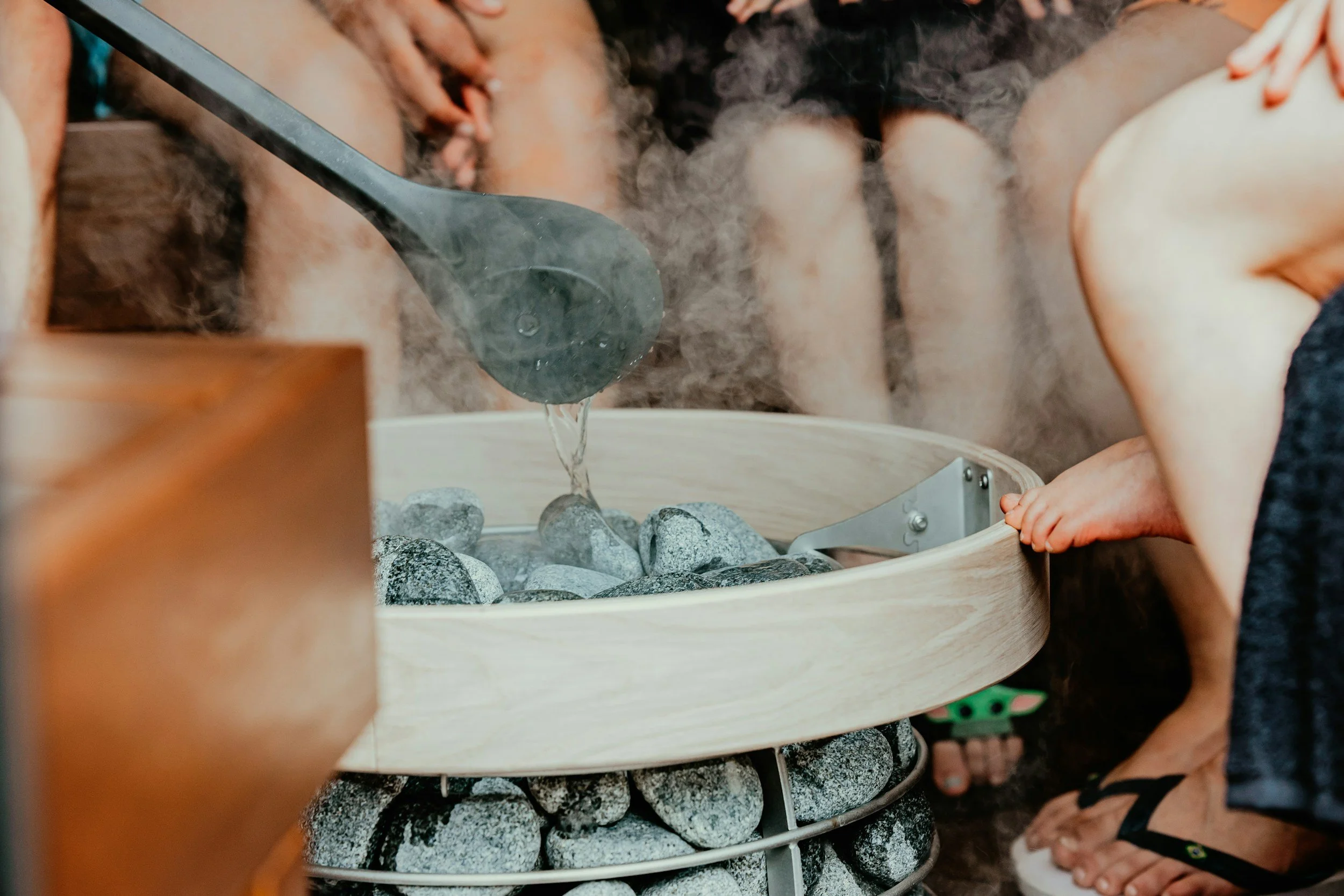
First, as with all things in Ayurveda…it depends!
On the season, your body, your mind, temperature, duration and moisture. The sauna will affect everyone differently. Here are some basic considerables to help you determine if and when the sauna is appropriate for you!
Generally speaking…
Who would thrive in a dry, warm sauna? Kapha types
Who would thrive in a wet, warm sauna? Vata types
Who would be best to avoid saunas? Pitta types
Dry heat, wet (steam) heat and infrared are common types of saunas you may encounter. Temperature and moisture are the key pieces here to determine if they would benefit you. Infrared saunas are typically less hot than the others but they can still be too hot if you are seeking balance.
Symptoms
If you experience excess heat in the body or mind Ayurveda recommends avoiding the sauna while having symptoms in order to not aggravate them further. These symptoms look like night sweats, anger, skin rashes or spreading irritations, excessive menstrual flow, frustration, acid reflux, hemorrhoids, inflammation, autoimmune conditions, etc.
If you experience swelling, water retention, lethargy, clogged type of inflammation (acne), ama (toxic build up expressing as lethary, slow bowel movements, brain fog), then a warm, dry sauna could help get things moving, promote circulation, detoxification and unclog the channels. If you enter a wet sauna, this would aggravate those symptoms further.
Season and location is important here too.
Spring is Kapha season so we are aiming to warm and dry the body from accumulation that occurs over the cold winter months. This accumulation occurs naturally as the body is trying to protect and cushion is from the harsh, cold winter. A warm, dry sauna could be beneficial in the springtime!
In the fall, dry saunas can be aggravating because it is a dry season following a hot season. So heat and dryness are already naturally accumulating. It is best to avoid
Again, moderation is key.
Excessive heat, moisture or dryness will increase Pitta.
Excessive dryness will increase Vata.
Excessive moisture will increase Kapha.
If you are going to sauna, avoid extreme heat.
In Ayurveda, extreme fluctuations are disruptive and aggravating to the system. The only dosha that can handle extremes well is Kapha, but again, it depends. Keep it short and warm, not hot.
Female Physiology Considerations
The body naturally increases in temperature during the luteal phase (after ovulation and before bleeding) so additional heat is best to be avoided. And for that matter, so is cold plunging- but that’s a topic for another time :) If you are going to sauna, the follicular phase would be most ideal- this is pre ovulation when hormones are the lowest and BBT (basal body temperature) is also low.
Here’s what I noticed…
This past November I actually had a desire to get in the sauna. It was after a week of traveling for family visits which included lots of different foods, less sleep and less exercise than what I was used to. I am a Pitta predominant type and in the Pitta time of life so my sauna use is minimal. But this felt like it would be supportive to help increase blood flow, stimulate Agni and help get things moving. I kept the sauna brief (15 minutes) and moderately warm. It was perfect! I felt refreshed, brighter and restored after a lot of sedentary activity. However, two days later I went to sauna again (it was a good experiment) and after the second sauna, my skin was irritatingly dry and I felt depleted. Point being, the amount of sauna that I needed to feel balanced, really was not that much!
Hopefully this helps you decide when and if a sauna is the best choice for your health. Remember, Ayurveda is always considering what’s happening in the moment, so just because the sauna may be aggravating for you today, it may not be in a different season or stage of life!
